01 / 04
Brand identity
Logo, colour, type and the rules that hold them together, written down so anyone can use them.
See it at IREPworkspaces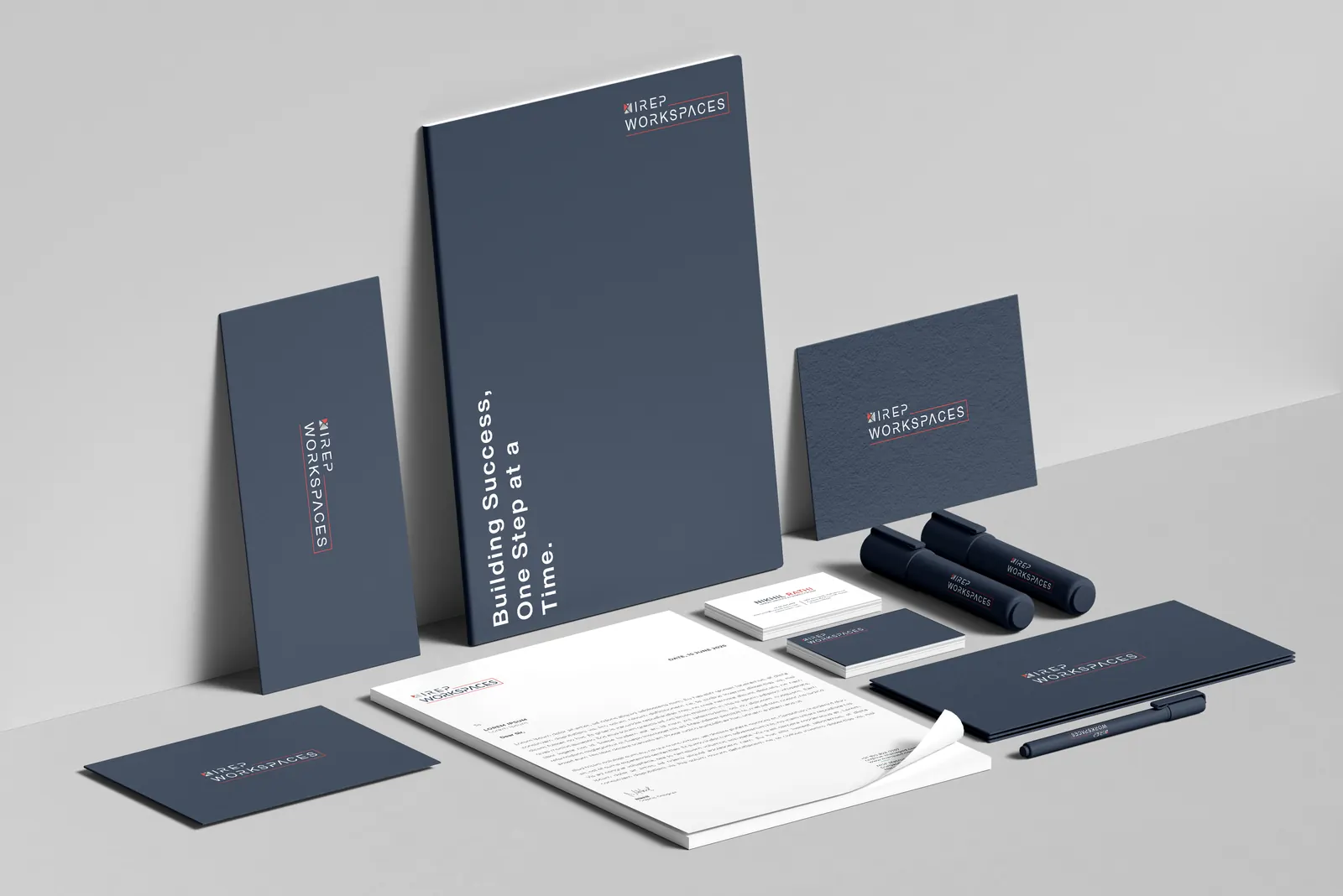
Portfolio
Say hiGraphic & UI/UX designer in Gurgaon. This is how a pencil line becomes a brand, told in five short chapters.
Scroll to read the story

Chapter 01The sketch
In 2018 I was an animation student at Amity, filling sketchbooks with pencil lines. Then came a first client brief, then another, and the drawings slowly started turning into brands.
Today I'm Assistant Design Manager at IREPworkspaces and I run design at studioMOrph. I still start with a pencil.
Chapter 02The craft
01 / 04
Logo, colour, type and the rules that hold them together, written down so anyone can use them.
See it at IREPworkspaces02 / 04
Company profiles, pitch and sales decks that read in one pass: big claim, short proof, one picture.
See it at TrueSpace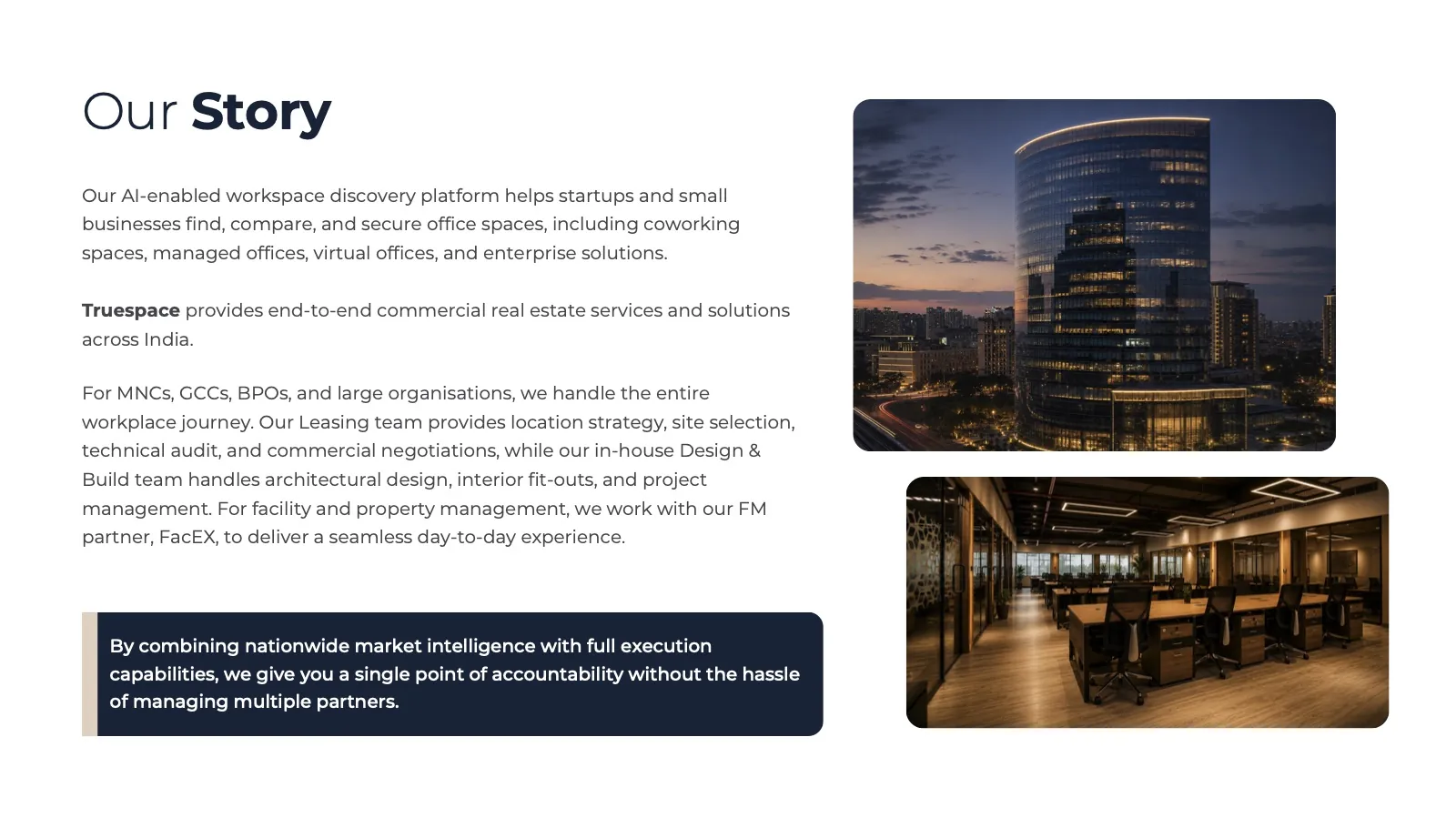
03 / 04
Marketing sites and interfaces designed in Figma, from wireframe to the screens a developer builds from.
See it at Quattro Spaces
04 / 04
Post templates, brochures, ads and event material that stay on-brand long after launch day.
See the LinkedIn posts


Chapter 03The work
All workA managed-workspace brand built from zero: identity, brand kit, website, sales and investor decks.
Read the case study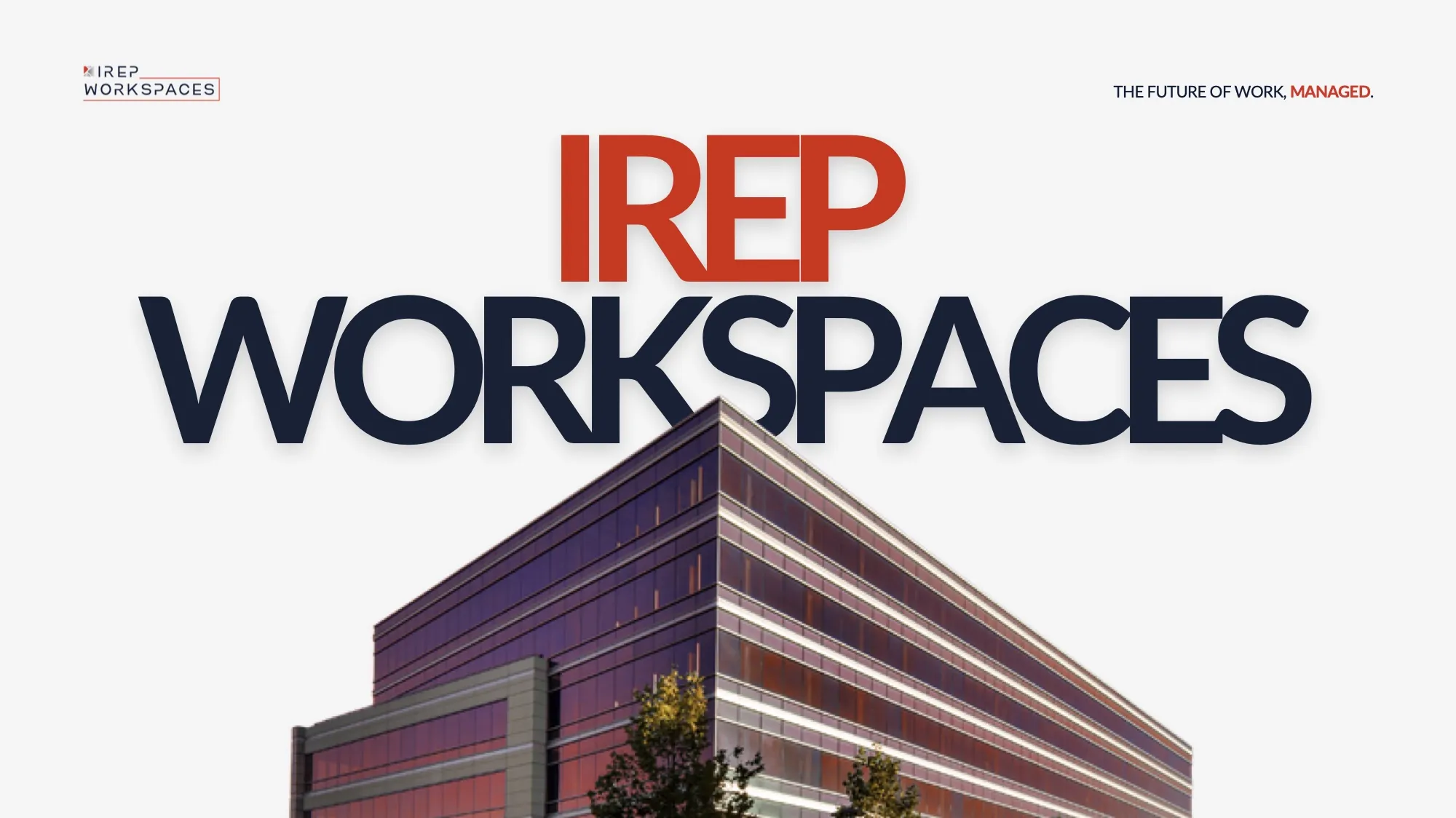
Three sales decks for three audiences: occupiers, landlords and the leasing team.
Read the case study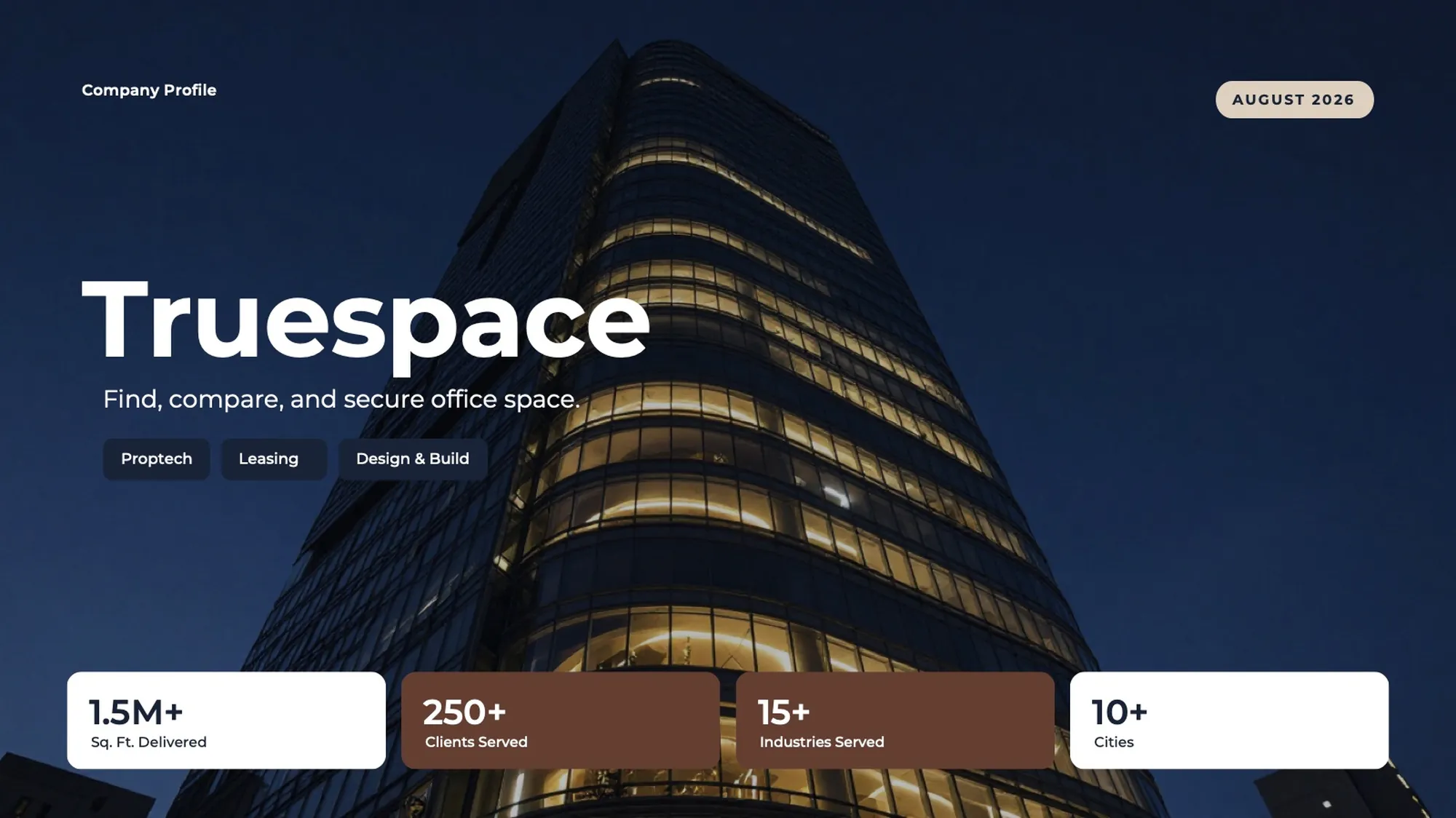
A yellow-and-blue identity taken from the machines themselves, for a scrap-recycling machinery specialist.
Read the case study
A calm, architectural website for a Gurugram developer that lets the buildings do the talking.
Read the case study
A company profile and website for a facility management company, in one calm green-and-stone voice.
Read the case study
A soft, unhurried website for a healing and life-coaching practice.
Read the case study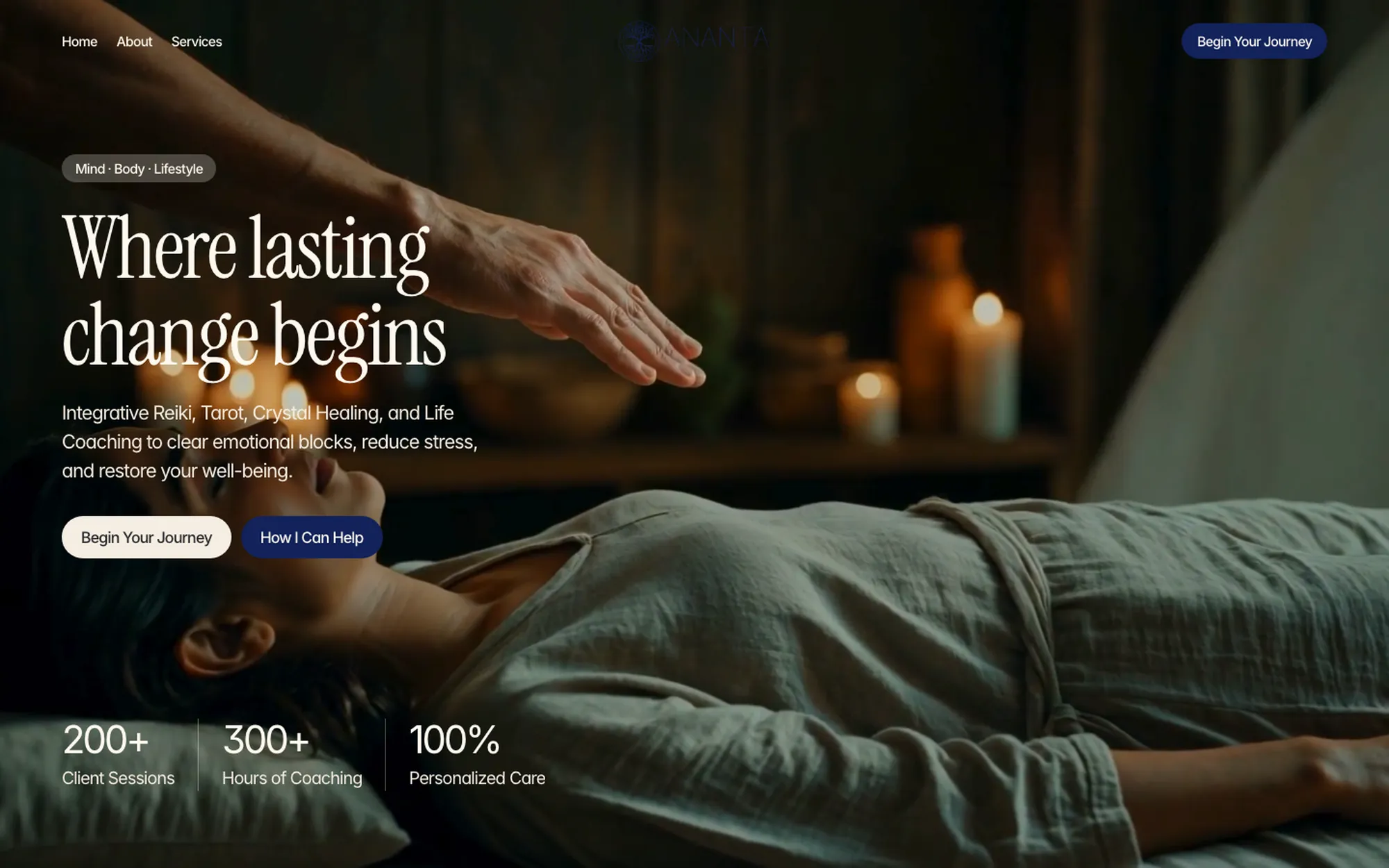
The studio I run design for: brands, not campaigns. Strategy, craft and space.
Read the case study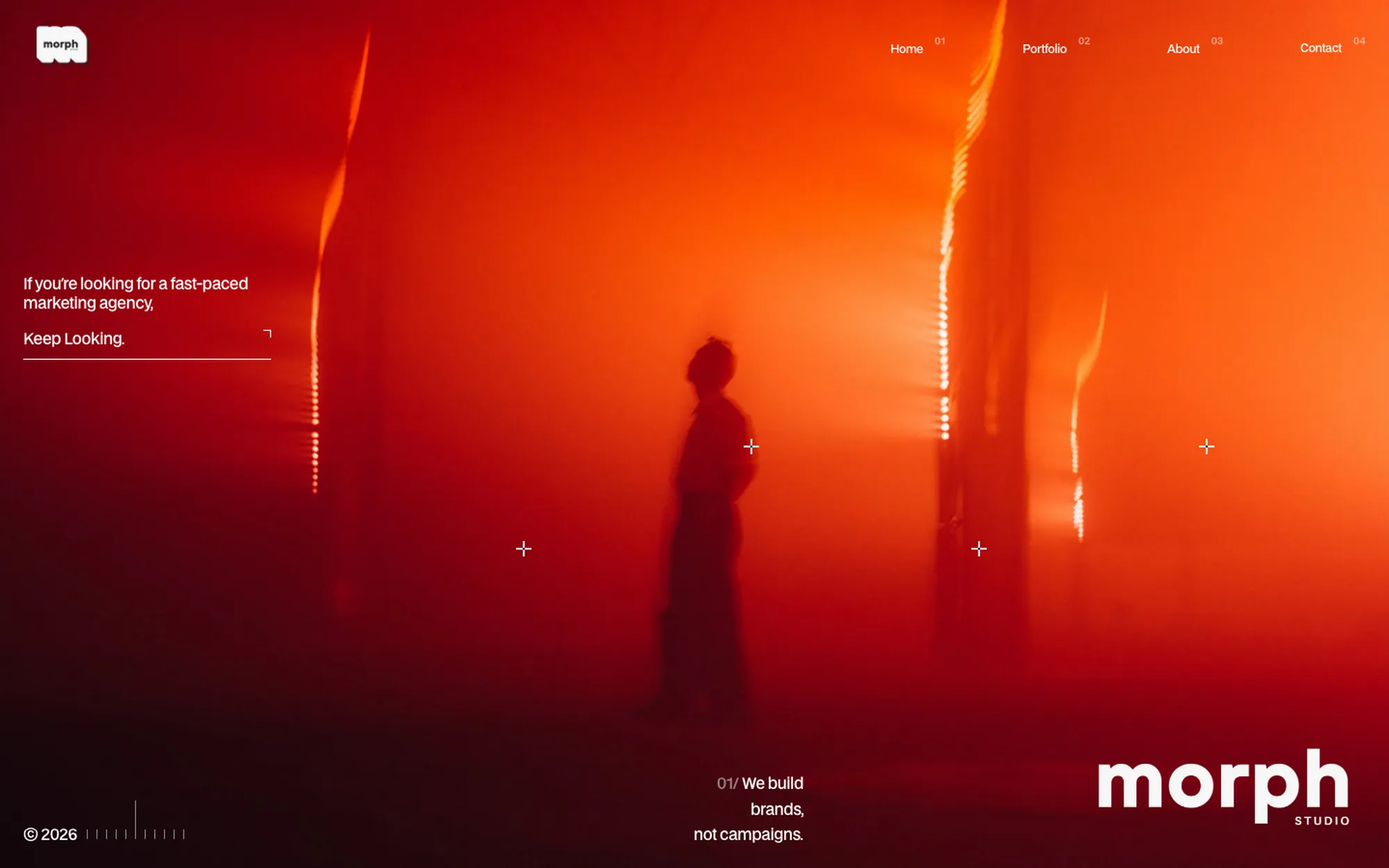
Chapter 04The method
Step 01 / 04
A proper brief: who it's for, what it has to do, what's been tried. The awkward questions come early, so they don't turn up late.
Step 02 / 04
Rough directions on paper first, then the strongest one or two on screen. Cheap to change, easy to compare.
Step 03 / 04
The chosen idea becomes a system: grid, type scale, colour, components and templates, tested on real content.
Step 04 / 04
Organised files, guidelines and ready-to-use templates, so your team can keep going without me.
Chapter 05So far
Epilogue · The next chapter
© 2026 Nikhil Rathi · Designed from a pencil line
Back to top